
- Open 24 Hours
- +91-74298-70730
- Islampatty, Haibargaon, Nagaon 782002 Assam
The evolution of casinos tracing their journey through time
- Posted on June 9, 2026
- Post by Mercy Hospital
- 0 Comments
The evolution of casinos tracing their journey through time
The Origins of Gambling
The concept of gambling dates back thousands of years, with evidence suggesting its existence in ancient civilizations such as Mesopotamia and China. These early forms of gambling were often tied to social and cultural practices, functioning as both entertainment and a means of fortune telling. Archaeologists have discovered artifacts like dice and betting tokens, highlighting how deeply embedded gambling was in societal norms. People would gather around, wagering on various games, which sowed the seeds for what would eventually blossom into modern casinos. If you’re looking for a premier destination, visit https://richardcasino-canada.org/ to explore an exceptional online gaming experience.
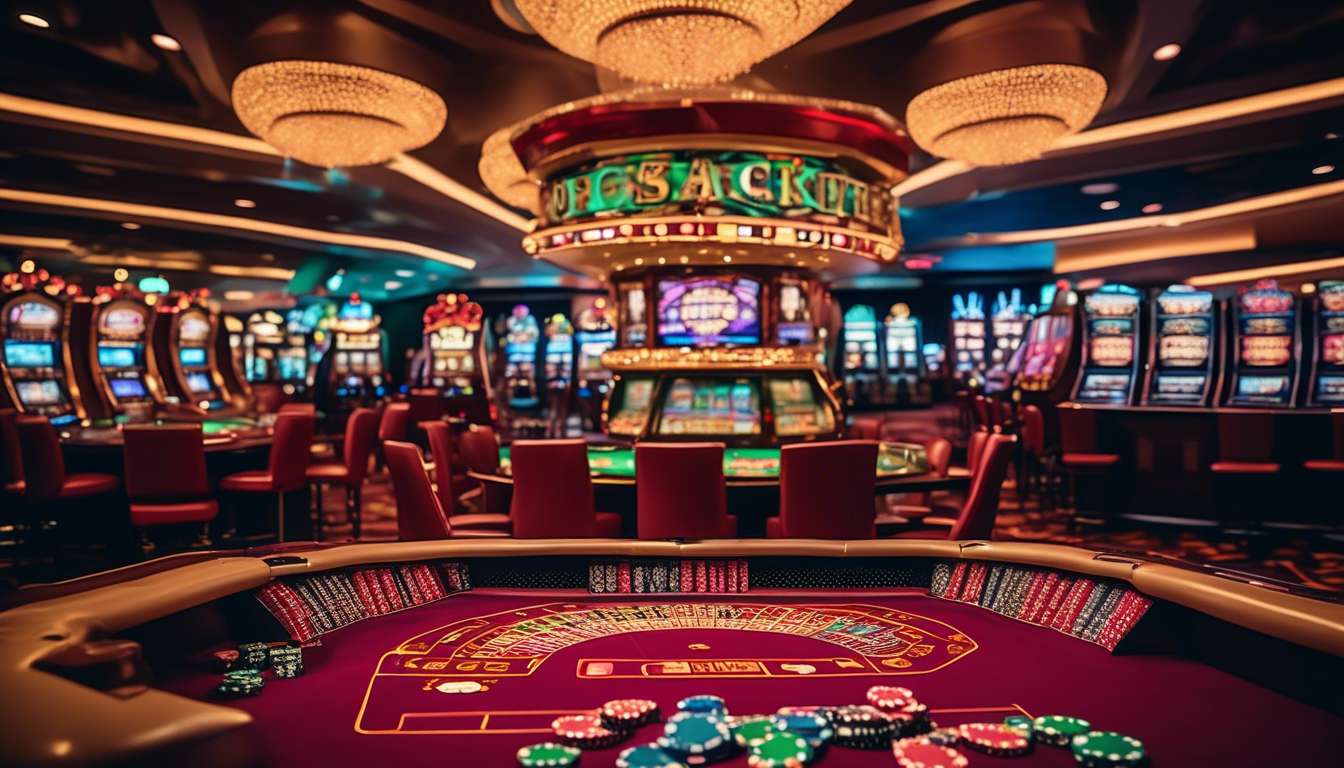
As societies evolved, so did the nature of gambling. By the time of the Roman Empire, organized gaming had become a staple of leisure activities among the elite. Romans played games similar to today’s dice and card games, often in lavish settings. Gambling was not just a pastime; it was an essential part of social life, reflecting wealth, status, and sometimes even political influence. This connection between gambling and social structure laid the groundwork for future developments in gaming establishments.
In the Middle Ages, gambling gained notoriety in Europe through various forms, including card games and betting on sports events. This period saw the emergence of gambling houses, which served as informal venues for playing games of chance. It was during this time that the first rudimentary regulations began to emerge, reflecting society’s growing recognition of gambling as both a risk and a thrill. These developments set the stage for the first recognized casinos, marking a pivotal shift in gambling history.
The Birth of Modern Casinos
The modern casino, as we understand it today, began to take shape in the 17th century. The first official casino, the Casino di Venezia, opened its doors in 1638 in Venice, Italy. This establishment transformed gambling into a more organized and socially acceptable activity, catering to the upper classes. Patrons were drawn to the elegance and excitement that casinos offered, as they combined social interaction with the thrill of chance. This model quickly spread to other parts of Europe, establishing a blueprint for future gaming establishments.
The Enlightenment period further popularized the casino experience, with an emphasis on rational thought and social interactions. Games like roulette and blackjack began to gain traction in gambling houses. As these games evolved, they attracted a diverse clientele eager for entertainment and the possibility of wealth. The growth of casinos during this era marked a significant cultural shift, where gambling transformed from a clandestine activity into a mainstream form of entertainment.
By the 19th century, the casino experience expanded beyond Europe, making its way to the United States. The first American casinos emerged in New Orleans, where French settlers brought their gambling traditions. This expansion reflected a growing acceptance of gambling in society, leading to the establishment of gambling regulations and laws. The cultural melting pot of the U.S. resulted in a unique blend of games and styles, further evolving the casino landscape.
The Rise of Las Vegas
The mid-20th century heralded a new era for casinos, particularly with the rise of Las Vegas as a gambling mecca. After the legalization of gambling in Nevada in 1931, Las Vegas transformed from a desert town into a vibrant hub of entertainment. The allure of high-stakes gaming, combined with extravagant shows and luxury accommodations, attracted millions of visitors. This transformation established Las Vegas as the archetypal casino destination and set new standards for the gambling experience.
The Las Vegas Strip became home to iconic casinos that redefined opulence and entertainment. Resorts like The Bellagio and Caesars Palace merged gaming with high-end dining, shopping, and entertainment, creating an all-encompassing experience. This new model captivated a wide audience, from high rollers to casual tourists, demonstrating that casinos could be more than mere gambling venues. The success of Las Vegas inspired cities worldwide to develop their own gaming hotspots.
As technology progressed, so did the casino experience. The introduction of electronic gaming machines revolutionized how people interacted with games. Slot machines became the cornerstone of casinos, offering an accessible way to engage with gambling. The evolution of online casinos in the late 20th and early 21st centuries further transformed the landscape, enabling players to gamble from the comfort of their homes, thereby expanding the reach and appeal of casino games across the globe.
The Psychology Behind Gambling
The evolution of casinos cannot be discussed without considering the psychology of gambling. At its core, gambling taps into fundamental human emotions like excitement, anticipation, and the lure of risk. Casinos are designed to stimulate these feelings, utilizing strategies such as enticing decor, sounds, and lighting to create an immersive experience. This environment encourages players to lose track of time and money, illustrating the complex relationship between human psychology and gambling.
Research has shown that the thrill of winning, coupled with the possibility of losing, creates a unique emotional rollercoaster for gamblers. This duality fuels what is known as the ‘gambler’s fallacy,’ where players believe that past outcomes influence future results. This misconception can lead to risky behavior and increased spending, showcasing how casinos leverage psychological principles to enhance the gaming experience. Understanding these psychological aspects is crucial for responsible gambling initiatives.
Furthermore, the introduction of technology has reshaped the way players engage with gambling. Online casinos, with their interactive features and personalized experiences, have made it easier for individuals to gamble frequently. This accessibility raises questions about addiction and mental health. As the gambling landscape continues to evolve, recognizing and addressing these psychological elements becomes increasingly important for ensuring player safety and well-being.

Exploring Online Casinos
With the advancement of technology, online casinos have emerged as a significant force in the gambling industry. These platforms offer a vast array of games, including slots, table games, and live dealer experiences, all from the convenience of a user’s home. Online casinos have democratized access to gambling, allowing players from various regions to enjoy their favorite games without the need to travel to a physical location. This shift has transformed how people perceive and engage with gambling, making it more accessible than ever.
Safety and security are paramount in the online gambling world, with reputable platforms implementing advanced encryption and responsible gaming features. The growing emphasis on user experience has led to innovations like mobile gaming, live chat support, and personalized game recommendations. These elements enhance player satisfaction and engagement, ensuring that online casinos remain competitive in a rapidly evolving market.
As online gambling continues to rise, it is crucial for players to remain informed about responsible gaming practices. Understanding the psychological factors that influence gambling behavior is key to maintaining a healthy relationship with gaming. As such, online casinos are increasingly prioritizing customer education and support, helping users navigate the thrilling world of online gaming safely and responsibly.
Leave A Comment