
- Open 24 Hours
- +91-74298-70730
- Islampatty, Haibargaon, Nagaon 782002 Assam
What makes casino games so addictive and thrilling?
- Posted on September 1, 2026
- Post by Mercy Hospital
- 0 Comments
The Psychology Behind Casino Games
The allure of casino games is deeply rooted in the psychological experience they offer. Behavioral theories suggest that unpredictability plays a significant role in their appeal. Players often find themselves on a roller coaster of emotions as they place their bets, facing the duality of fear of loss and the thrill of potential wins. This uncertainty creates an adrenaline rush, making each gaming session a unique adventure. Many enthusiasts turn to platforms like 1win for their gaming experiences, as the powerful emotional responses triggered by these games can lead individuals to play longer than intended, sometimes even against their better judgment.
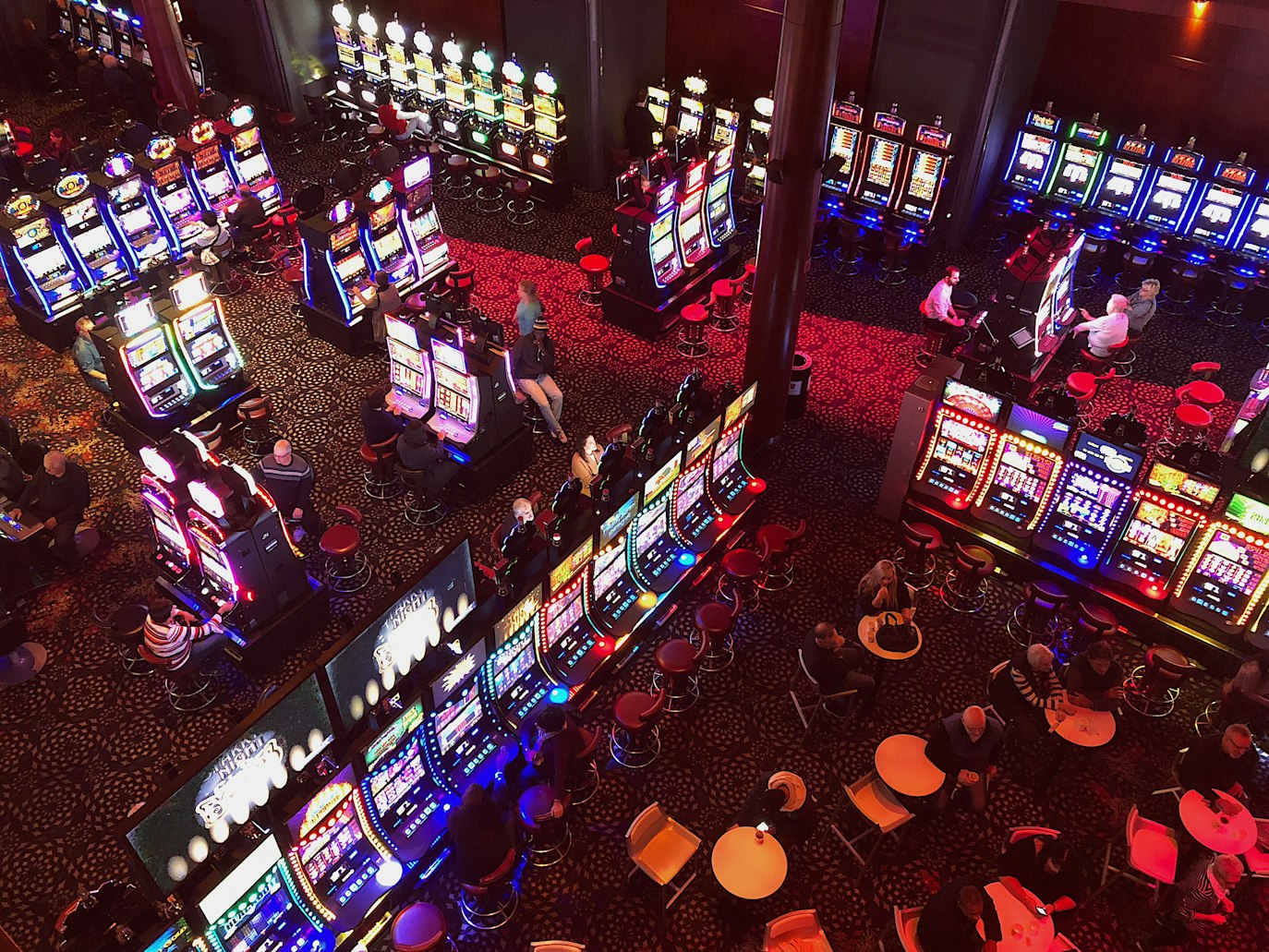
Visual and auditory stimuli within casinos are meticulously designed to enhance the playing experience. Bright lights, vibrant colors, and captivating sound effects all contribute to an atmosphere that captivates and engages players. For example, the sound of coins spilling from a slot machine not only signifies a win but also serves as an auditory cue that compels players to continue. This sensory overload can lead to a dissociative state where players lose track of time and reality, drawing them deeper into the world of gaming.
Moreover, the social elements inherent in casino games amplify their addictive nature. Many players are drawn to the camaraderie that emerges in gambling environments, whether it’s celebrating wins or sharing losses. Table games, in particular, foster a sense of community among players, creating bonds that extend beyond the game itself. This social interaction can become a significant motivation for individuals to return to casinos, as they seek both the thrill of the game and the connections formed within that space.
The Role of Rewards and Reinforcement
The reinforcement mechanisms employed in casino games are fundamental to their addictive qualities. Many games utilize a variable reinforcement schedule, meaning that players receive rewards at unpredictable intervals. This unpredictability keeps players engaged, as they may feel that the next spin could lead to a significant win. Such systems are designed to tap into the brain’s reward pathways, similar to how substance addiction can develop. The release of dopamine, a neurotransmitter associated with pleasure, reinforces the gambling behavior, encouraging players to keep returning for more.
In addition to regular payouts, many casino games incorporate bonus features and jackpots that heighten the excitement. Players are often presented with opportunities for free spins or special rounds that can lead to substantial wins. This prospect of larger rewards fosters a mindset that encourages risk-taking, as individuals become increasingly willing to gamble in hopes of hitting the jackpot. This cycle of anticipation and reward creates a psychological loop that’s tough to break, making it difficult for players to step away from the games, even in the face of losses.
Furthermore, loyalty programs implemented by casinos enhance the reinforcement aspect by providing tangible rewards for player activity. These programs often include complimentary meals, hotel stays, or exclusive event invitations that incentivize continued play. As players accumulate points, their desire to return and engage with the games increases, reinforcing the cycle of gambling. This constant push for rewards can transform casual players into regular visitors, as the allure of bonuses outweighs the risks associated with their gambling activities.
The Impact of Technology on Game Design
Advancements in technology have revolutionized casino games, leading to increased interactivity and engagement among players. The rise of online casinos and mobile gaming has democratized access to gambling, enabling players to indulge in their favorite games at their convenience. This ease of access has resulted in more frequent play, which can heighten the risk of addiction. Additionally, emerging technologies such as virtual and augmented reality are poised to shape the future of casino gaming, offering immersive experiences that further entice players.
Game developers are now prioritizing the creation of visually captivating and user-friendly interfaces to enhance player engagement. Innovations such as artificial intelligence allow for personalized experiences, tailoring gameplay to individual preferences and habits. This level of customization keeps players invested in the game, often leading to extended sessions of play. The deeper the emotional connection players feel with the game, the less likely they are to recognize the potential dangers of their gambling behavior.
Moreover, the introduction of interactive features like live dealers and real-time multiplayer options enriches the gaming experience. These advancements foster a sense of community and competition among players, intensifying the emotional highs and lows associated with gambling. The thrill of competing against others or interacting with a human dealer can amplify the excitement, further increasing the risk of addiction as players chase the exhilarating experiences these elements provide.
The Influence of Marketing and Environment
The marketing strategies employed by casinos are pivotal in attracting and retaining players. From the moment individuals step into a casino, they are enveloped by promotional signage, dazzling lights, and the sounds of gaming machines. These tactics are deliberately crafted to create an inviting atmosphere that encourages players to engage with the games. The overall environment is designed to evoke excitement and urgency, making it difficult for players to resist the temptation to begin playing immediately.

Additionally, the strategic placement of games and amenities within a casino is critical in maximizing player engagement. High-energy games are often positioned near entrances, while quieter areas are designated for table games, catering to different player moods. This thoughtful layout encourages exploration and discovery, prompting players to try various games and linger longer. The careful design of the casino space melds convenience with excitement, making it challenging for players to resist the urge to gamble.
Lastly, the psychological impact of marketing extends beyond the physical casinos to the realm of online gaming. Digital platforms utilize sophisticated, data-driven marketing strategies to offer personalized recommendations and promotions, ensuring that players remain engaged with their favorite games. This targeted approach not only keeps players returning but also heightens the likelihood of repeat play. As casinos effectively leverage both offline and online marketing techniques, the complexities of addiction become even more pronounced.
Discovering More About Casino Games
Understanding the addictive nature of casino games is crucial for both players and industry professionals. For individuals who enjoy gambling, being aware of the psychological, technological, and environmental factors can lead to more informed decisions and help recognize potential warning signs of addictive behavior. Adopting responsible gambling practices, like setting limits on time and money spent, can assist players in maintaining a healthy balance with their gaming activities.
From an industry standpoint, acknowledging the elements that contribute to the thrill of these games can inform more responsible design practices. This could involve creating features that promote player awareness and self-regulation, ensuring that the entertainment remains enjoyable without leading to harmful behaviors. By understanding the intricate dynamics of player behavior, developers and casino operators can work towards fostering a healthier gambling environment while still delivering excitement and enjoyment.
For those interested in delving deeper into the captivating world of casino games, various resources are available online. These platforms provide insights not only into gaming strategies but also into the psychological aspects of gambling. As players continue to seek thrilling experiences, staying informed and educated about the nature of casino gaming will contribute to a more fulfilling and responsible gaming experience, ensuring that the excitement remains enjoyable and within limits.